

Within the dressing up box, we assume the role of the teacher, a doctor, a fairy, perhaps Snow White bought from a special outing to the Disney store. We become someone different, enigmatic, powerful.
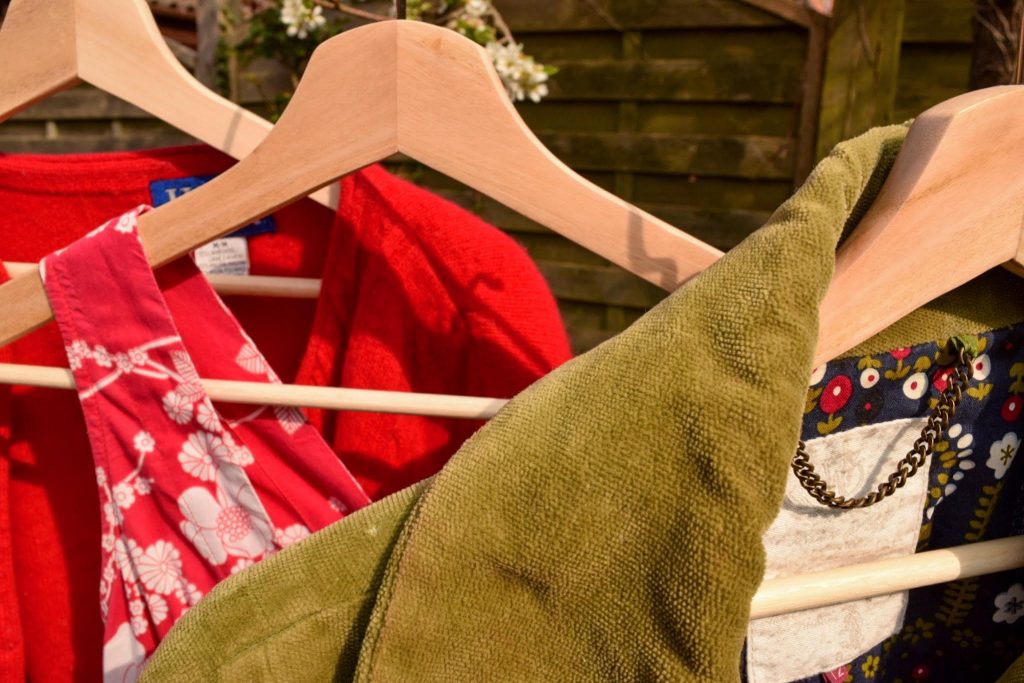
My wardrobe has become, in my opinion, an embodiment of what was previously my dressing up box; to chop, change and decide who I want to be for the day. The dressing up box/wardrobe hybrid has now taken the position of quite an important physical and psychological aspect in my quarantine routine. What to wear has become of great importance for no other being than myself. Although sometimes the desire to wear loungewear is strong; the need to wear an outfit that is creative or put together or bright supersedes it.
Why fashion is important in times of crisis: a tale of endurance
Fashion at a time of crisis can be, for some, integral to wellbeing and a reminder of their expression. The evolution of fashion during a crisis is also not something new. Chanel’s first store opened in 1915 during World War One, and, due to the scarcity of materials available, began to curate couture pieces from jersey fabric, typically used for men’s underwear at the time. As a result, women were able to wear the comfortable clothing that they desired for the male-dominated roles that they were working in. It is, perhaps, an indication of how both the fashion industry, as well as the consumer, have adapted to challenging times.
Frida Kahlo’s striking appearance, alongside her lavish outfits, may also tell a story of endurance, as the exhibit ‘Making Her Self Up’ (exhibited at the V&A in 2018) suggests. Her clothes highlight a desire to accommodate and negate from physical disabilities caused by both polio and a bus accident when she was 18. Her clothes are an interpretation of authentic Tehuana dress, an assertion of her Mexican identity and, ultimately, one would not be aware of any disabilities. Her fashion, we could argue, is a demonstration of her personality beyond her recognition as a prolific figure of the art world. Kahlo constructed works of art of a different form; highlighting the importance that fashion can have to express, explore and overcome. Her style is worth considerably more focus than a paragraph in this post; Rosalind Jana’s article for Dazed explores her style further.
Perhaps lockdown does not merit the same need from fashion that either a World War or a great artist conjures, yet this form of expression should not be overlooked in this different kind of ‘crisis’, indeed a global pandemic. As Dawnn Karen expresses in a Times article on ‘What to wear in the lockdown’, clothes can improve mental health and help us to remain positive. Our working from home attire may take the form of a tracksuit for ultimate comfort, but it could also be a sign of powerlessness and feelings of sluggishness. As expressed in the article, we may not have the power to avoid seeing COVID-19, but we do have the power to boost our mood through what we wear. Mental health is incredibly pertinent during this time and clothing may be one of many mood-boosters, despite being possibly overlooked.
Making use of our own dressing up box
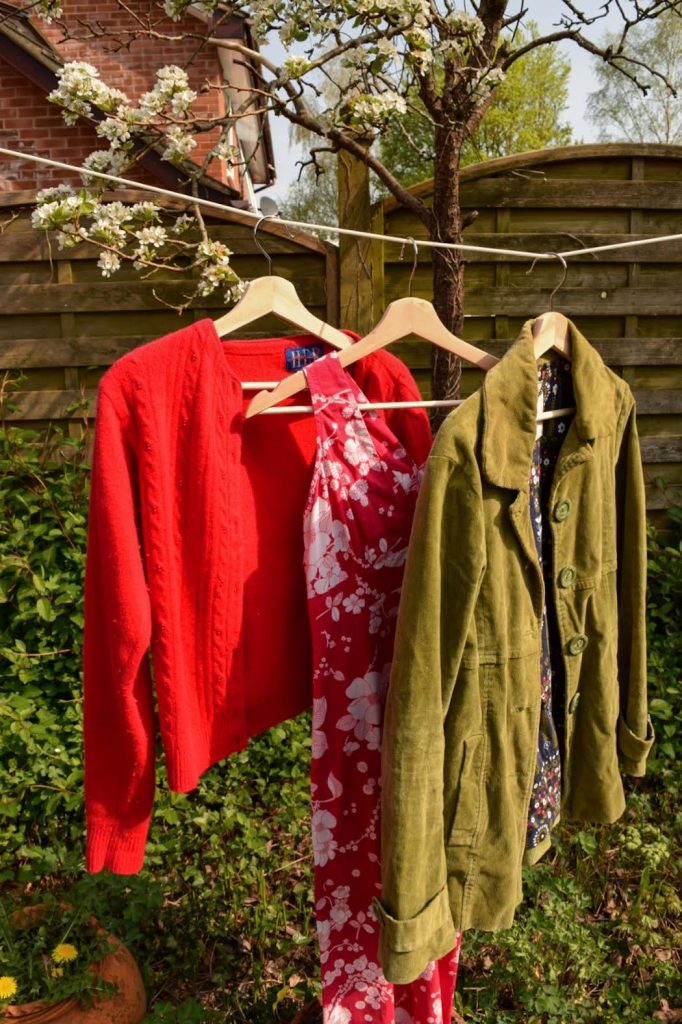
What to wear in lockdown… are clothes we already own. Make the living room a catwalk and bring some of the madness of the outside in. Realigning the inner sanctum of our working space with an outfit that screams for an Instagram caption titled #goingnowherebutgettingfuckingdressed. Upon stumbling on the hashtag, there is a wealth of colour and creativity in the form of an outfit of the day. Alternatively, why not make something new from what you already own? Make a lockdown lookbook for some post-quarantine outings? Wearing loungewear, however, is more than valid; the Adidas leggings bought five years ago and a t-shirt that writes ‘I love Paris’ which currently wearing would also like to make their case known.
Recognising that we have the privilege to focus part of our day onto something that may be trivial, yet can also integral to our well-being is also important.
The Instagram account, Frockdown, is an embodiment of the importance of keeping a semblance of a routine during lockdown through the medium of fashion. Not only is the account a positive space on a social media app that can emblazon the need to constantly be self-improving in quarantine; it is also a marvellous source of outfit inspiration. Note to self: bring the dungarees back out.
Love Not Landfill’s fantastic initiative of the #BigTryOn is a positive way to rummage through your wardrobes, as the value of unworn clothes in UK wardrobes is estimated to be around £30 billion. Their IGTV videos are released, with different guests sharing their wardrobe discoveries, including the model and activist Emma Breschi and teen activist Zaqiya Cajee. Why not complete your own #BigTryOn?

It is clear and it will be even more so in the aftermath of Coronavirus, that the impact on the fast fashion industry is immense. Recent reports have highlighted the pressure of workers in Bangladesh from US and UK companies, where four million workers work in the clothing industry. Every new purchase is putting garment workers at risk. It is, therefore, important to highlight that if new clothes are a necessity, sustainable and ethical businesses are still operating, as well as Depop; an app that has seen a huge rise in users since the outbreak.
Lots of love, eleanor xx
Ps. please comment if you’d like a lockdown lookbook, via Instagram or perhaps in a blogpost (?!)


Leave a Reply